
Back to Templates
Other Information Technology Templates
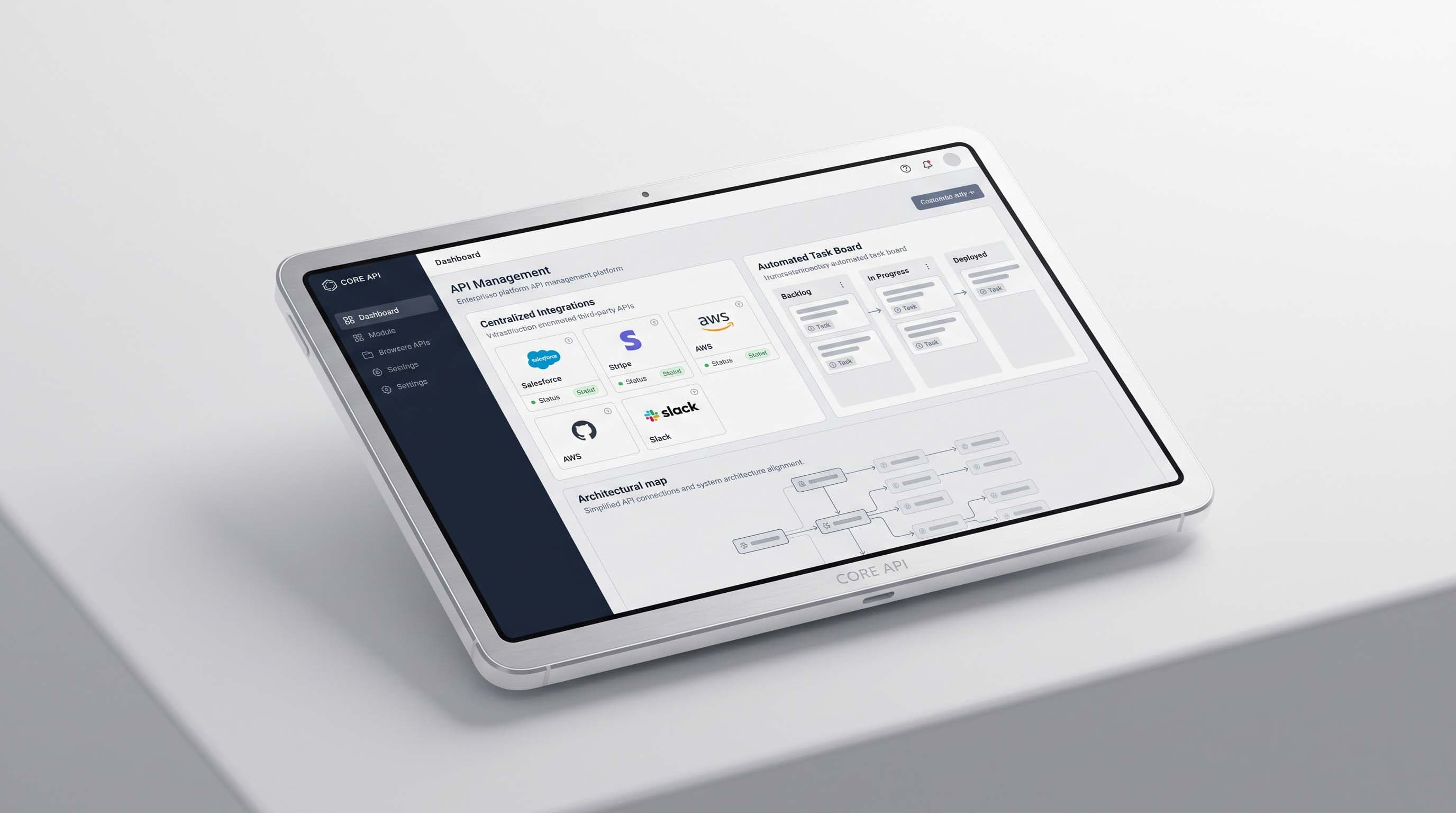
API Integration Modernization Initiative
This cost-benefit analysis evaluates the deployment of an API management and integration framework over a 5-year period. It identifies four benefit areas such as faster development cycles, secure third-party integration, improved governance, and scalability. Corresponding costs include API gateway implementation, developer onboarding, version control, and security layer setup.

AIOps Implementation Program
This cost-benefit analysis reviews the use of AI for IT operations (AIOps) over a 5-year horizon, focusing on four major benefits such as predictive maintenance, real-time monitoring, incident response, and resource optimization. It also outlines four cost areas including algorithm training, platform acquisition, system tuning, and staffing requirements.

AI-Powered IT Support Platform
This cost-benefit analysis evaluates the implementation of an automated IT service desk solution designed to improve service delivery and operational efficiency. It measures benefits including faster issue resolution, reduced support costs, improved employee satisfaction, and 24/7 service availability while considering investments in AI-powered chatbots, ticketing platforms, workflow automation, integration, training, and maintenance.

Cloud Migration and Modernization Program
This cost-benefit analysis explores the migration of IT systems and applications to the cloud over a 5-year period. It highlights four benefit areas, including operational agility, scalability, cost optimization, and disaster recovery, alongside four key cost areas such as data transfer, cloud service subscriptions, re-platforming efforts, and security compliance.

Cloud-Native Application Modernization Initiative
The analysis investigates the implementation of containerization and orchestration technologies such as Docker and Kubernetes over a 5-year horizon. It defines four benefit areas including scalability, portability, and CI/CD efficiency, as well as four cost areas like container image management, orchestration tools, and team upskilling.

DevOps Transformation Program
It evaluates the implementation of DevOps practices to accelerate software delivery, improve operational efficiency, and strengthen collaboration between development and operations teams. It examines benefits such as faster release cycles, improved software quality, automation, and continuous integration while considering investments in DevOps toolchains, process redesign, organizational change management, staff training, and ongoing platform support.

Enterprise Digital Workspace Initiative
This template evaluates the implementation of digital workspace technologies that enable secure collaboration, hybrid work, and workforce productivity. It examines benefits including improved employee engagement, remote work capabilities, streamlined communication, and operational flexibility while considering investments in collaboration platforms, virtual desktop solutions, software subscriptions, system integration, training, and change management.

Enterprise Resilience Initiative
This analysis evaluates the implementation of disaster recovery and business continuity strategies over five years. It includes four key benefit areas such as minimized downtime, data integrity, and operational resilience, and considers four cost areas like infrastructure redundancy, failover testing, and continuity planning.

Enterprise Endpoint Management Program
This template evaluates the deployment of an enterprise endpoint management solution to improve device security, operational control, and compliance. It assesses benefits including centralized administration, policy enforcement, improved endpoint visibility, and enhanced cybersecurity while considering investments in endpoint management software, deployment, compatibility testing, user support, and lifecycle maintenance.

Enterprise Content Management
This analysis evaluates the implementation of an Enterprise Content Management (ECM) system over five years, outlining four major benefit areas such as streamlined document handling, compliance support, and collaboration. It also includes four primary cost areas like content migration, platform licensing, and end-user training.